Every debt buyer has felt the same pain point – the phones are ringing, but the pipeline still feels weak. Too many so-called opportunities are unqualified, unreachable, or nowhere near ready to enroll. Debt settlement lead generation only works when lead quality, contact speed, and channel economics are aligned. If one breaks, margin disappears fast.
This is a high-pressure vertical. Acquisition costs are not forgiving, compliance matters, and sales teams cannot afford to waste time on low-intent traffic. That is why the real question is not how to get more leads. It is how to get more financeable conversations from consumers who actually fit your program, answer the phone, and can move.
What makes debt settlement lead generation profitable
In debt settlement, volume by itself is a vanity metric. A campaign can produce a large number of form fills and still lose money if contacts are poor, debt minimums are too low, or consumers are shopping five companies at once. Profit comes from matched intent.
That usually means leads with verified contact data, realistic debt amounts, a clear hardship story, and timing that supports immediate outreach. The closer the lead is to a sales-ready decision point, the higher the value. This is why many buyers pay more for channels that create live conversations instead of just records in a CRM.
It also means your lead source has to fit your sales model. A call center built for rapid-fire live transfers will not get the best result from stale web leads. On the other hand, a disciplined outbound team with strong follow-up automation may do very well with aged data at the right price. There is no universal best lead type. There is only the right lead type for your close process, staffing model, and target CPA.
The main channels in debt settlement lead generation
The debt settlement market is competitive enough that channel selection can make or break campaign economics. Each source has upside, and each comes with trade-offs.
Inbound live transfers
Live transfers are often the fastest route to revenue because they remove the biggest point of failure – delayed contact. If the consumer is screened, warm, and handed off in real time, your agents get a conversation instead of a callback attempt. That usually improves contact rates and shortens the path to enrollment.
The trade-off is cost. Live transfers are more expensive, and they demand operational readiness. If your team misses calls, has long hold times, or lacks strong openers, you will burn premium inventory without seeing premium returns.
Real-time internet leads
Real-time leads give buyers scale and flexibility. They work well for teams that can respond in seconds, not hours, and that have a strong multi-touch follow-up process. When bought from the right source, they can produce consistent volume and acceptable acquisition costs.
The downside is competition and decay. If response time slips, conversion drops quickly. Shared distribution can also compress margins if the same consumer is contacted by multiple advertisers within minutes.
Direct mail
Direct mail still has a place in debt settlement because it can reach consumers who are already showing financial stress signals and drive stronger intent than broad online traffic. It is especially effective when targeting is disciplined and call handling is solid.
The downside is slower optimization and higher upfront planning. It is not the channel for buyers who want immediate feedback every afternoon. But for organizations that understand list selection, creative testing, and inbound conversion, it can be a strong profit center.
Aged leads and targeted data
Aged leads are not glamorous, but they can work. If your team is built for outbound persistence and your pricing is right, aged records can create efficient enrollment volume. The key is buying data with enough original intent and enough contactability to justify the follow-up effort.
This is where many buyers get burned. Cheap data is only cheap until your agents spend hours working disconnected numbers and dead email addresses. Aged inventory has to be evaluated against labor cost, not just lead cost.
Why lead quality is more than a score
A high lead score means very little if it does not reflect what your sales team actually needs. In debt settlement, quality is practical. Can you reach the prospect? Do they have enough unsecured debt? Are they in a real hardship situation? Are they looking for relief now, or just browsing?
Good lead generation partners understand this at the field level. They do not just push volume. They define qualification criteria around your enrollable profile, your geographic targets, your operating hours, and your sales capacity. That is how lead supply becomes usable pipeline instead of expensive noise.
There is also a difference between interest and intent. A consumer who reads about debt relief is not the same as a consumer who requests help and answers a screening call. Buyers who ignore that distinction usually end up overpaying for traffic that never had a real chance to convert.
Speed to lead is not optional
Debt settlement is a contact sport. The first company to connect has an advantage, especially when the consumer has submitted information through a comparison-style path or broad debt relief funnel. If your response window stretches beyond a few minutes, your odds drop.
That is why execution matters as much as media buying. Strong debt settlement lead generation depends on routing, call handling, SMS follow-up, CRM automation, and agent availability. Great traffic can still underperform in a weak operation.
For many buyers, this is the hidden leak. They focus on CPL but ignore response lag, call abandonment, and poor disposition tracking. Then they blame the vendor. Sometimes the problem is the lead source. Sometimes the problem is that the sales floor is not built to capitalize on demand.
Compliance is part of performance
In this vertical, compliance is not a legal side issue. It directly affects campaign durability and ROI. Lead sources, messaging, call practices, and consent standards all matter. If the traffic is generated carelessly, the downstream risk lands on the buyer.
That is why serious buyers look for process, not promises. How is consent captured? How are calls recorded or transferred? How are suppression rules handled? How is data validated before delivery? Good partners can answer those questions clearly because they are operating for long-term scale, not short-term arbitrage.
The cheapest lead source often becomes the most expensive one when compliance problems hit retention, chargebacks, or operational disruption.
How to evaluate a debt settlement lead partner
Start with economics, but do not stop there. A vendor should be able to speak in conversion terms, not just traffic terms. If they only discuss clicks, impressions, or raw lead counts, you are not talking to a performance partner.
Ask how the leads are generated, how they are filtered, whether they are exclusive or shared, and what delivery controls exist. Ask what happens when volume spikes or drops. Ask how they handle dayparting, geo filters, debt thresholds, and real-time optimization.
Most importantly, look at the relationship between cost and sales outcome. A higher CPL can still be the right buy if contact rate, show rate, and close rate rise enough to lower your cost per enrollment. On the other hand, bargain leads that drag agent productivity can quietly wreck the P&L.
This is where a multi-channel supplier has an edge. If one source tightens or costs rise, the campaign can shift toward another channel without rebuilding everything from scratch. That kind of flexibility matters in a market where traffic quality and pricing can change quickly.
Building for scale without killing margin
The best growth strategy is rarely one-dimensional. Buyers who rely on a single source usually hit a ceiling, either on volume or efficiency. The smarter play is channel balance.
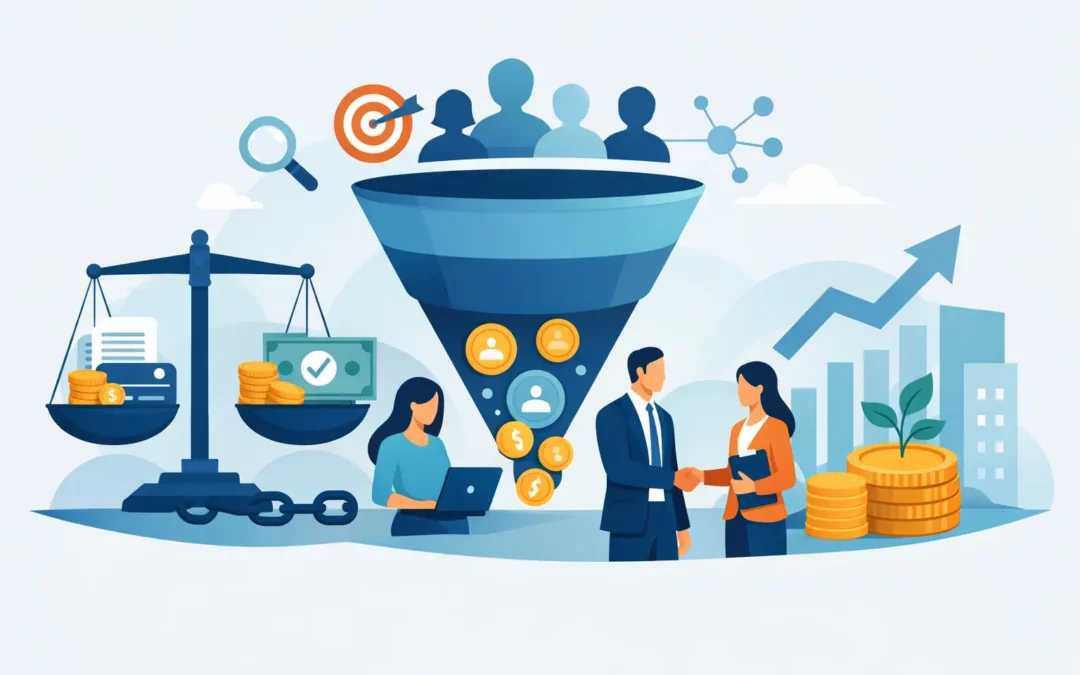
Live transfers can drive immediate revenue. Real-time web leads can add volume. Direct mail can bring in high-intent calls from targeted households. Aged leads and data can keep outbound teams productive at a lower cost basis. When managed correctly, those pieces support each other instead of competing for budget.
That is the difference between buying leads and building acquisition infrastructure. Lead Flow Partners operates in that second category – combining channel mix, delivery flexibility, and operational support for buyers who need dependable volume tied to real conversion outcomes.
Debt settlement lead generation gets expensive when buyers chase quantity and hope the sales team sorts it out. It gets profitable when every part of the system is built around contact, qualification, and conversion. If you want better margins, start by asking a harder question than how many leads you can buy. Ask how many qualified conversations your operation can actually turn into revenue.


Recent Comments